How to Choose a School Bag That Does Not Wreck a Child's Back
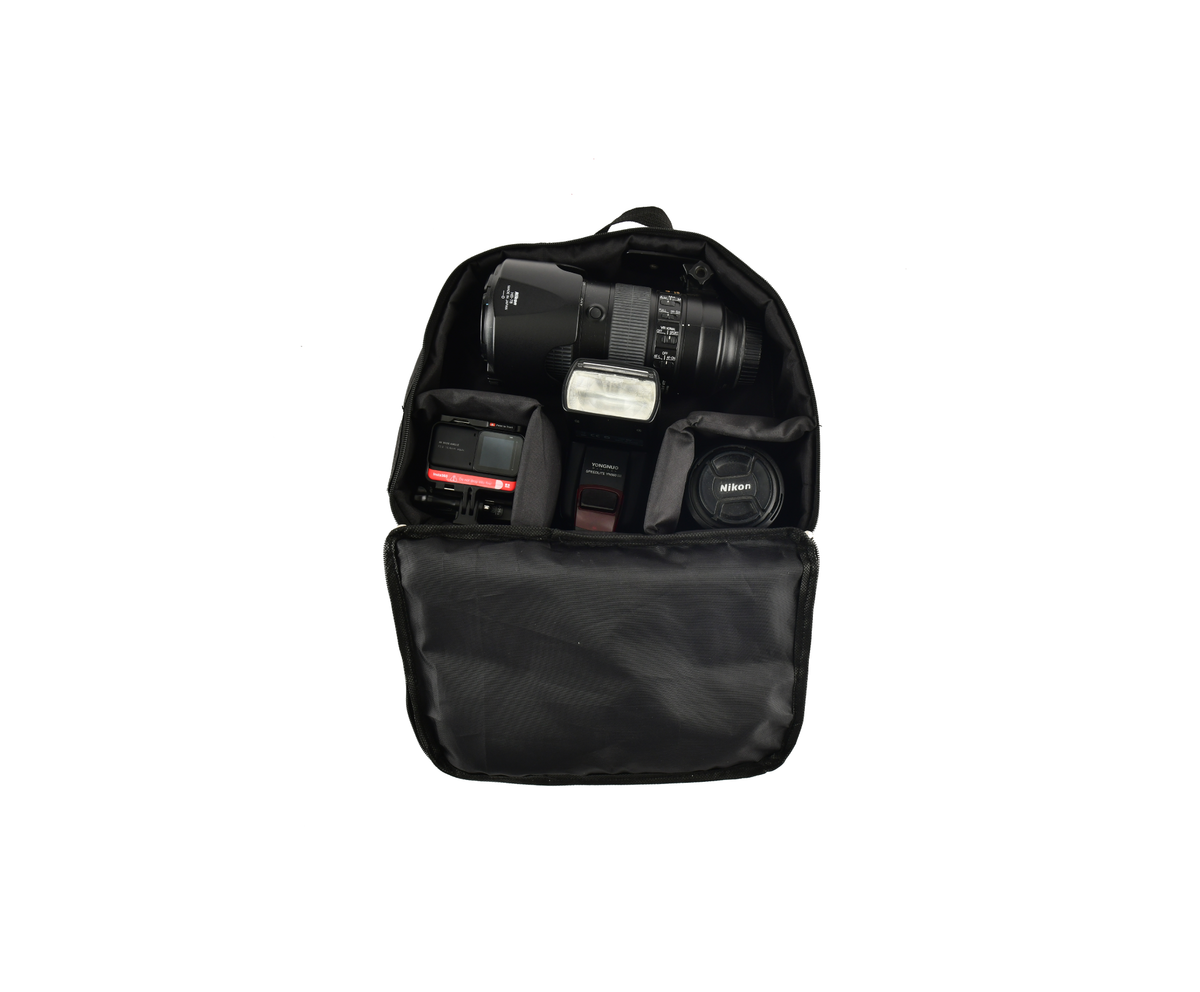
A school bag is the heaviest thing most children carry, and they carry it twice a day, five days a week, for a whole year. It is worth ten minutes of thought — and most of what matters is fit and weight, not brand.
Start with the weight, not the bag
The widely used guideline among physiotherapists is that a loaded school bag should not exceed about 10% of the child's body weight — 15% at the absolute outside. For a 30 kg child that is 3 kg loaded, which is less than most people assume once books, a lunch box and a water bottle are in.
Weigh the packed bag once on a bathroom scale. If it is over, the fix is usually the timetable rather than the bag: books that live at school, a smaller water bottle, or a lighter empty bag. An empty bag that weighs 900 g instead of 400 g has already spent a sixth of the allowance on itself — which is a real argument for a lightweight polyester bag over a heavy one at this age.
Fit: where the bag sits
Three checks, all done with the bag loaded and on the child:
- The top of the bag should sit at or just below shoulder level, not above the neck.
- The bottom should sit above the hips, not on the backside. A bag hanging low pulls the shoulders back and the child leans forward to compensate — that lean is the posture problem people are trying to avoid.
- Both straps, always. One strap is how a child's spine ends up carrying an asymmetric load for a year. This is a habit, not a product feature, but a bag with an uncomfortable second strap makes the habit harder.
The six features worth paying for
- Wide, padded shoulder straps. At least 5 cm across. A narrow strap concentrates the same weight onto a smaller area, which is what makes shoulders ache.
- A padded back panel. Stops the corner of a hardback book pressing into a spine for the whole walk home.
- A chest or sternum strap. A small clip across the chest that stops the straps sliding outwards. It costs almost nothing to include, and it makes a loaded bag feel meaningfully lighter because the straps stay where they should.
- A compartment that holds books upright against the back panel. Weight carried close to the spine is easier to carry than the same weight hanging away from it. This is the single most useful design detail on any loaded bag.
- A side bottle pocket. Keeps a leaking bottle away from books, and keeps the weight low and to the side rather than in with the books.
- Bar tacks and a reinforced base. Children do not put bags down, they drop them. The base and the strap anchors are where school bags fail — this guide shows what to look for.
What matters less than the shop suggests
Wheels. A trolley bag takes the weight off the back, which sounds ideal, but it adds a kilo of empty weight, has to be lifted up every staircase, and pulls the child into a twisted posture on one side. In a school with stairs, it usually makes things worse.
Character prints. Not a criticism — a child who likes their bag wears it properly. Just be aware you are buying a one-year bag if the character is the reason for the purchase, so weight it accordingly in the budget.
Buying for a growing child
Do not buy large so it lasts. An oversized bag encourages carrying more, sits too low, and gets filled to its volume rather than to the child's weight limit. Buy for this year's size and this year's books.
For younger children, matching sets — a bag with a pouch and a pencil case in the same design — solve the daily problem of small things loose in a big compartment. The StreetStyle and Meow sets are built that way. For older students carrying a laptop, the sizing question changes entirely — the laptop bag size guide covers it.