Leather, Raxine or Polyester: Which Bag Material Should You Buy?

· Bustah

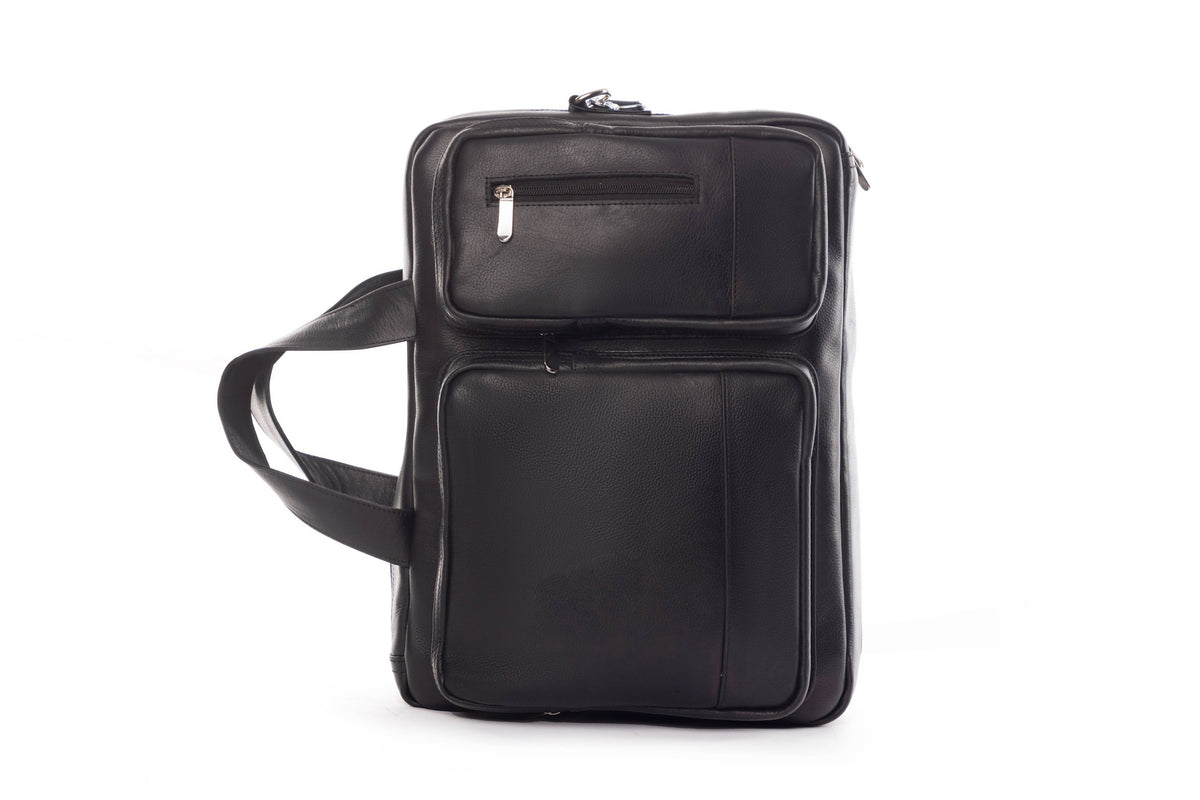
A black full-grain leather convertible backpack messenger bag

Most bag shopping goes wrong at the material, not the model. People buy leather because it looks serious, then resent carrying it in the rain. Or they buy the cheapest polyester and are annoyed in eight months when a strap starts to fray. The material decides how the bag ages, what it weighs, and what it costs — so it is worth ten minutes.

We make bags in three materials, so this comparison is not neutral. It is, however, honest about what each one is bad at.

Full-grain leather

What it is. The outer layer of the hide, with the grain intact. Not "genuine leather", which despite the name is a lower grade made from the split layers underneath, and not "bonded leather", which is offcuts glued together.

What it does well. It gets better. Full-grain develops a patina — the leather darkens where hands touch it and lightens where it flexes, and after two years a bag looks like yours rather than like a product. It also fails gracefully: a scratch burnishes out with a thumb, where a coated material would show a permanent white line. Structurally it is the strongest of the three by a wide margin, particularly around strap anchor points.

What it is bad at. Weight. A leather duffle can be a kilo heavier than the same shape in polyester before you put anything in it. It also does not like being soaked — rain is survivable and dries out, standing water is not — and it costs the most, because the material costs the most.

Buy it if you carry the bag daily for years, care how it looks in a meeting, and are not on a motorbike in monsoon season. The Premium range is full-grain with stainless steel hardware.

PVC resin — what the trade calls raxine

What it is. A fabric backing with a PVC coating, embossed with a grain pattern. It is sold across the market as "vegan leather", "PU leather" or "faux leather". We call it raxine because that is what it is, and a customer who knows what they bought does not feel misled six months later.

What it does well. It wipes clean with a damp cloth — genuinely the easiest of the three to maintain. It holds its shape, so a structured bag stays structured rather than slumping. It shrugs off rain completely. And it looks close enough to leather at conversational distance that most people cannot tell.

What it is bad at. It does not age, it wears. Where leather develops character, a coating eventually cracks or lifts, usually at the fold points and corners first. How long that takes depends on the thickness of the coating and how the bag is treated, but it is a different kind of lifespan: leather gets old, raxine gets tired.

Buy it if you want the structured, formal look without the price or the care routine, or if the bag will spend its life in weather. The Classic range is raxine, labelled plainly.

Polyester

What it is. Woven synthetic fabric, usually with a water-resistant coating on the back face. The workhorse material of every technical bag ever made.

What it does well. Weight, above everything. It is by far the lightest of the three, which matters more than people expect on a bag you carry for an hour a day. It is also the most abrasion-tolerant — dragged across concrete it scuffs rather than tears — it dries fast, and it costs the least, which means you can put the money into the laptop bay and the zips instead of the skin.

What it is bad at. It looks casual. There is no polyester bag that reads as formal, and no amount of black dye changes that. It can also pill or fray at high-friction points if the weave is loose — the density of the weave matters far more than the material name.

Buy it if you are a student, you commute on two wheels, you carry a lot, or you want the best build quality your budget will buy rather than the best-looking material. Value Picks is the polyester range.

The short answer

  • Office, meetings, gifting, and you keep things for years — leather.
  • Formal look, wet weather, easy cleaning, mid budget — raxine.
  • Daily heavy carry, students, bikes, lightest possible — polyester.

One thing worth saying plainly: a well-made polyester bag will outlast a badly-made leather one. Material sets the ceiling; construction decides whether the bag reaches it. If you are choosing between two bags in different materials at a similar price, look at the stitching and the zips before you look at the skin — this guide covers what to check.