अच्छे बने बैग और सस्ते बैग में फ़र्क कैसे करें: जाँचने लायक 8 चीज़ें
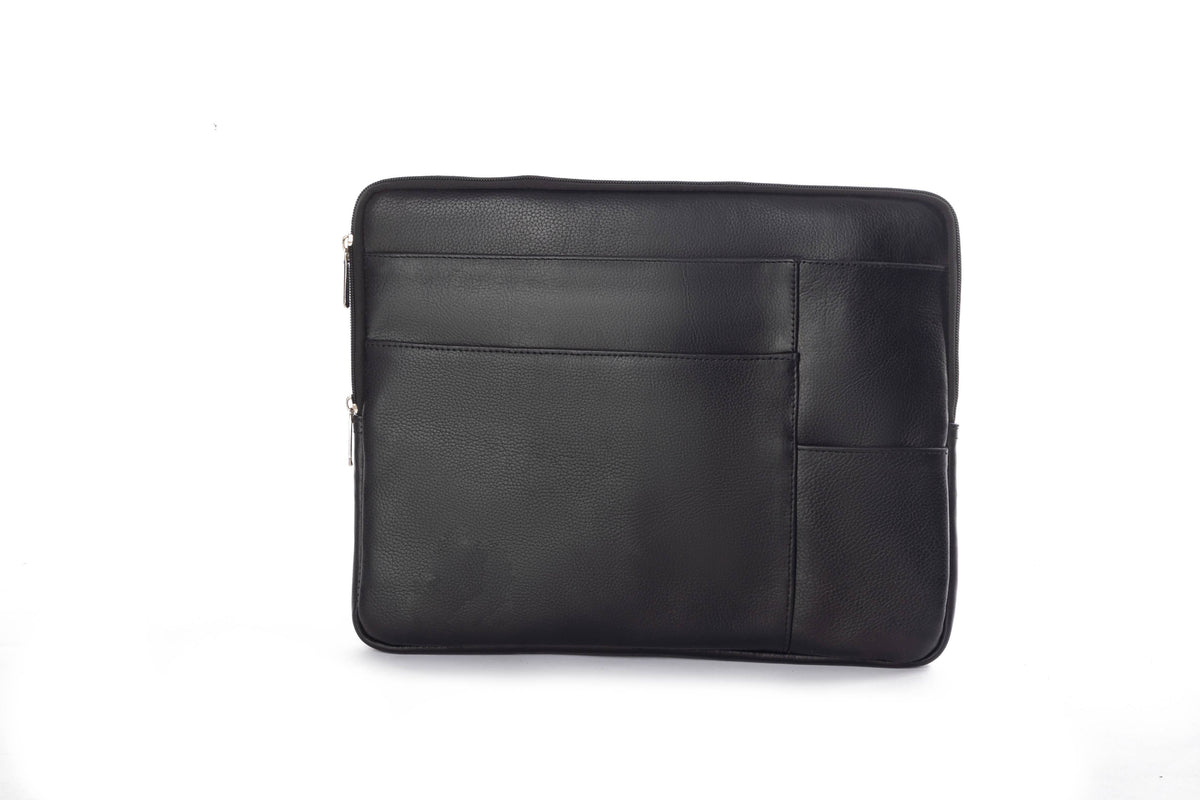
बैग बेवजह खराब नहीं होते। वे स्ट्रैप के जोड़ पर, ज़िप पर, नीचे के कोने पर, और वज़न संभालने वाली सिलाई पर जवाब देते हैं। अगर आप जानते हैं कि कहाँ देखना है तो ये सब खरीदने से पहले दिख जाता है। यह रही चेकलिस्ट, उसी क्रम में जिसमें खराबियाँ वास्तव में होती हैं।
1. स्ट्रैप के जोड़
ज़्यादातर बैग यहीं खत्म होते हैं। देखिए कि कंधे का स्ट्रैप बैग की बॉडी से कहाँ मिलता है। वहाँ या तो रिइनफ़ोर्समेंट पैच से गुज़रती रिवेट होनी चाहिए, या सिलाई का एक आयत जिसके अंदर क्रॉस हो — "box-X" पैटर्न, जो वज़न को धागे की एक लाइन पर डालने की बजाय पूरे आयत पर फैला देता है।
अगर स्ट्रैप सिर्फ़ एक सीधी लाइन से सिला है और पीछे कोई पैच नहीं, तो धागा टूटने से पहले कपड़ा फट जाएगा। अगर प्रोडक्ट फ़ोटो में जोड़ नहीं दिखता, तो माँग लीजिए। जिस निर्माता को अपनी बनावट पर गर्व है, वह ज़रूर भेजेगा।
2. दबाव वाली जगहों पर बार टैक
बार टैक घनी सिलाई का एक छोटा ब्लॉक होता है, आमतौर पर 5 से 10 मिमी लंबा, जो वहाँ लगाया जाता है जहाँ सिलाई पर अचानक खिंचाव आता है — जेब के मुँह के ऊपर, हैंडल के निचले हिस्से पर, ज़िप के सिरे पर। निर्माता को इसमें कुछ सेकंड लगते हैं, और यही फ़र्क है खिंचने वाली जेब और फट जाने वाली जेब में।
इन्हें गिनिए। जिस बैग की हर जेब के मुँह पर बार टैक है, उसे ऐसे व्यक्ति ने बनाया है जिसने बैग वापस आते देखे हैं।
3. सिलाई की सघनता और सीधापन
बैग मटीरियल के लिए प्रति इंच आठ से दस टाँके सही सीमा है। इससे कम हों तो सिलाई प्रति सेंटीमीटर कम काम करती है; बहुत ज़्यादा हों तो मटीरियल में छेद होते जाते हैं, जिससे वह कमज़ोर होता है। फ़ोटो में टाँके गिने नहीं जा सकते, लेकिन यह दिखता है कि लाइन टेढ़ी-मेढ़ी तो नहीं। टेढ़ी सिलाई का मतलब है जल्दबाज़ कारीगर, और जल्दबाज़ कारीगर बार टैक भी छोड़ देता है।
4. ज़िप
ज़िप बैग का सबसे ज़्यादा इस्तेमाल होने वाला चलने वाला हिस्सा है और इंडस्ट्री में वारंटी की सबसे आम शिकायत। तीन चीज़ें बताती हैं कि आपको क्या मिल रहा है:
- पुलर। धातु का या ठोस ढला हुआ, पतला दबाया हुआ टैब नहीं जो मुड़ जाए।
- चाल। अच्छी ज़िप एक हाथ से बंद होती है और कपड़ा खींचकर पकड़ने की ज़रूरत नहीं पड़ती। अगर वीडियो में कोई मेन कम्पार्टमेंट बंद करने के लिए दोनों हाथ लगा रहा है, तो ज़िप खुद बोल रही है।
- कोने। जहाँ ज़िप मुड़ती है वहीं अटकती है और वहीं दाँत टेप से उखड़ते हैं। खुले घुमाव टिकते हैं; तंग नब्बे डिग्री के मोड़ नहीं।
5. किनारों की फिनिशिंग
बैग के अंदर मटीरियल के कटे हुए किनारे देखिए। अच्छे बैग में वे टेप से बंधे, अंदर मुड़े हुए, या — लेदर में — पॉलिश और सील किए होते हैं। सस्ते बैग में उन्हें बस काटकर छोड़ दिया जाता है, और एक साल में वे उधड़ने लगते हैं, फिर बगल की सिलाई भी जवाब देने लगती है।
पाँच सेकंड में अंदर से बैग परखने का यह सबसे तेज़ तरीका है।
6. लाइनिंग
बिना लाइनिंग का बैग ज़रूरी नहीं कि खराब हो — कुछ डिज़ाइन जानबूझकर रॉ रखे जाते हैं। लेकिन लाइनिंग दो काम करती है: सिलाई के किनारों को ढकती है ताकि वे अटककर खिंचें नहीं, और बैग को दूसरी परत देती है जो आपका सामान गिरने से पहले जवाब दे। पतली, चमकीली, ढीली बुनाई वाली लाइनिंग इनमें से कोई काम नहीं करती।
7. हार्डवेयर
बकले, D-रिंग, स्लाइडर और पाये। ठोस धातु प्लेटेड ज़िंक एलॉय से ज़्यादा चलती है, और वह प्लास्टिक से ज़्यादा। फ़ोटो में असली टेस्ट मोटाई है — पतले तार से बनी D-रिंग झटके से खुल जाती है, और खुलते ही स्ट्रैप अलग हो जाता है। स्टेनलेस स्टील में जंग नहीं लगता, जो नम मौसम में सूखे मौसम से ज़्यादा मायने रखता है।
डफ़ल बैग के नीचे धातु के पाये एक छोटी-सी बारीकी है जो सालों जोड़ देती है, क्योंकि फिर बेस घिसने वाली सतह नहीं रहता।
8. बेस (निचला हिस्सा)
बैग को पलटिए। बेस हर बार ज़मीन पर रखे जाने, हर घसीटे गए कोने और पूरा वज़न झेलता है। अच्छे बने बैग में यह अलग पैनल होता है, अक्सर भारी मटीरियल का, जो कोने पर मोड़ने की बजाय किनारों से सिला जाता है। सस्ते बैग में यह साइड का ही पैनल होता है जिसे मोड़ दिया जाता है, और वही मोड़ फटने की जगह होता है।
दुकान में या स्क्रीन पर इसका इस्तेमाल
हाथ में हो तो क्रम यह है: पलटकर बेस देखें; अंदर किनारे देखें; एक हाथ से एक बार ज़िप चलाएँ; स्ट्रैप के जोड़ को ज़ोर से खींचें।
वेबसाइट पर आप सिर्फ़ वही देख सकते हैं जो फ़ोटो दिखाते हैं, और इसीलिए फ़ोटो की गिनती मायने रखती है। एक खूबसूरत एंगल वाली लिस्टिंग बाकी सात छिपा रही है। इस स्टोर के हर प्रोडक्ट पेज पर पूरा सेट है, इतना करीब से कि टाँके गिने जा सकें — अगर आप देखना चाहते हैं कि सही तरीके से बनी बारीकियाँ कैसी दिखती हैं तो Premium रेंज से शुरू करें, और उसी आकार की तुलना Classic और Value Picks में करें।