Laptoptaschen-Größenratgeber: Passt ein 13-, 14-, 15,6- oder 17-Zoll-Laptop wirklich hinein?
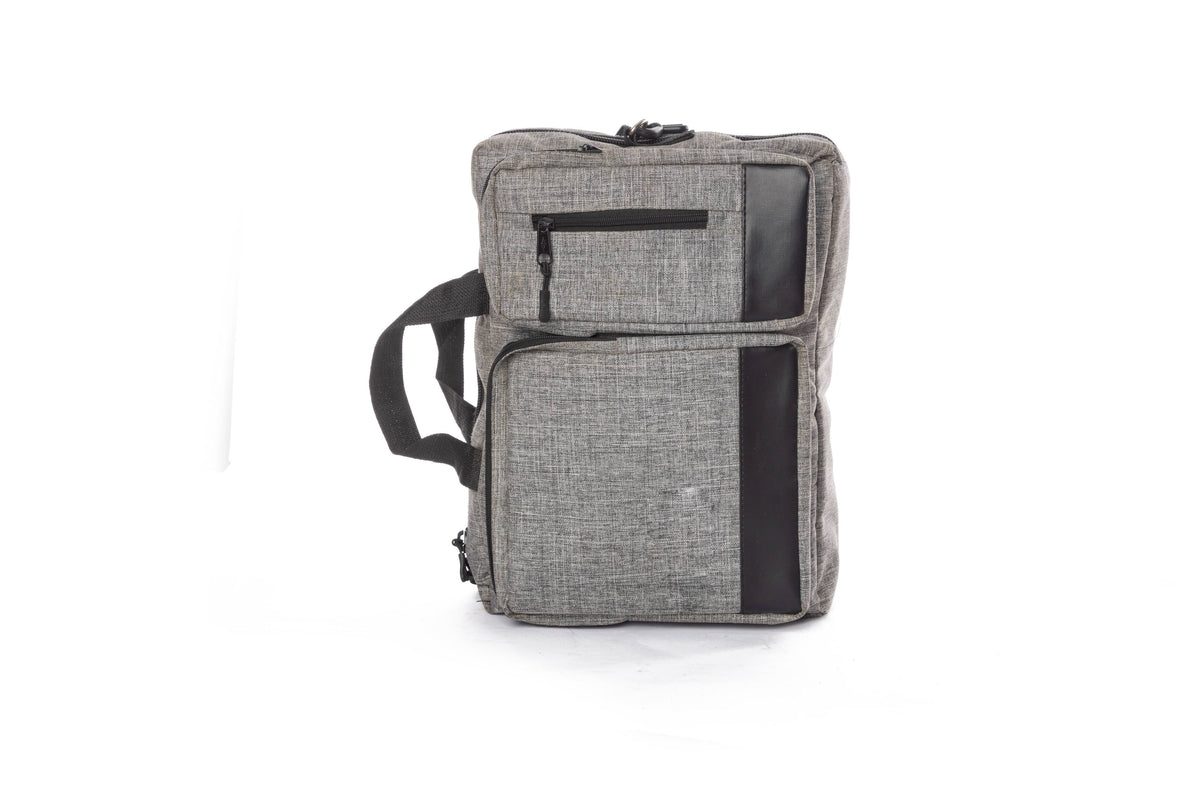
Der häufigste Grund, warum eine Laptoptasche zurückgeschickt wird: Sie passt zum Bildschirm, aber nicht zum Gerät. Ein Laptop wird nach der Diagonale seines Displays verkauft. Eine Tasche muss jedoch ein dreidimensionales Objekt mit Deckel, Scharnier, Füßen und Gummipuffer aufnehmen. Diese beiden Zahlen messen nicht dasselbe – und beim Kauf sagt Ihnen das niemand.
Die Kurzfassung: Messen Sie Breite, Tiefe und Dicke Ihres Laptops in Zentimetern, addieren Sie jeweils etwa 1 cm und vergleichen Sie das mit den Innenmaßen auf der Produktseite der Tasche. Nennt die Seite nur eine Bildschirmgröße, betrachten Sie diese als Richtwert, nicht als Garantie.
Laptoptaschen-Größentabelle (cm)
Typische Maße zugeklappter Laptops und die Mindest-Innenmaße des Laptopfachs, auf die Sie achten sollten. Modelle unterscheiden sich, messen Sie also immer Ihr eigenes Gerät.
| Laptop-Bildschirm | Typische Laptopgröße (B × T × H) | Laptopfach der Tasche, mindestens |
|---|---|---|
| 13–13.3 Zoll | 30–31 × 21–22 × 1.5–2 cm | 32 × 23 × 3 cm |
| 14 Zoll | 32–33 × 22–23 × 1.7–2.2 cm | 34 × 24 × 3.5 cm |
| 15.6 Zoll | 35.5–36.5 × 24–26 × 2–2.5 cm (Gaming: bis zu 3 cm) | 38 × 27 × 4 cm |
| 17–17.3 Zoll | 39.5–41 × 27–29 × 2.5–3 cm | 42 × 30 × 4.5 cm |
Warum die Bildschirmgröße ein schlechter Maßstab ist
Zwei 15,6-Zoll-Laptops können sich in der Breite um drei Zentimeter unterscheiden und in der Dicke um mehr als das Doppelte. Ein flaches Aluminium-Ultrabook und ein Gaming-Laptop mit Kühlsystem sind beide „15,6-Zoll“-Geräte. Nur eines davon gleitet mühelos in ein schmales gepolstertes Fach.
Die Bildschirmgröße ignoriert außerdem den Rahmen. Ein moderner 14-Zoll-Laptop mit fast randlosem Display kann genauso breit sein wie ein älteres 13-Zoll-Gerät mit dickem Rahmen. Seit zehn Jahren schrumpfen die Hersteller die Displayränder – das Verhältnis zwischen „Zoll“ und „Zentimetern Tasche“ verschiebt sich also ständig.
So messen Sie Ihren Laptop in neunzig Sekunden
- Deckel schließen. Alle folgenden Maße beziehen sich auf das geschlossene Gerät.
- Breite – die lange Kante, von links nach rechts.
- Tiefe – von der Vorderkante bis zum Scharnier.
- Dicke – die höchste Stelle, meist am Scharnier und nicht vorne.
- Zu jedem Maß 1 cm addieren. So viel Platz braucht eine gepolsterte Hülle, um das Gerät ohne Kraftaufwand aufzunehmen.
Wenn Sie Ladegerät, Maus und Kabeltasche mitnehmen, rechnen Sie auch deren Dicke ein. Eine Tasche für 15,6-Zoll-Laptops voller Zubehör verhält sich wie eine Tasche eine Nummer kleiner, weil das gepolsterte Fach zusammengedrückt wird, um Platz zu schaffen.
Was ein Laptopfach wirklich braucht
Polsterung ist keine Dekoration. Drei Dinge zählen mehr als die Millimeter Schaumstoff:
- Ein erhöhter Boden. Der Boden des Laptopfachs sollte über dem Boden der Tasche liegen. Wenn Sie eine Tasche abstellen, geht der Stoß in deren Boden – ein schwebendes Fach hält den Laptop aus dieser Aufprallzone heraus. Das ist das wichtigste Merkmal und dasjenige, das am häufigsten fehlt.
- Ein Verschluss am Fach selbst. Ein Klettriemen oder ein Reißverschluss, damit das Gerät nicht herausrutscht, wenn die Tasche kippt oder der Hauptreißverschluss offen ist.
- Ein enger Sitz. Ein Laptop, der in einem zu großen Fach hin und her rutscht, nimmt mehr Schaden als einer, der fest sitzt – er nimmt Schwung auf, bevor er irgendwo anschlägt.
Hülle, Fach oder beides?
Ein gepolstertes Fach im Rucksack reicht für den täglichen Arbeitsweg. Eine separate Laptophülle lohnt sich in drei Situationen: wenn Sie den Laptop herausnehmen und allein in ein Meeting tragen möchten; wenn Sie das Gerät zwischen zwei Taschen wechseln; und wenn Ihre Lieblingstasche kein richtiges schwebendes Fach hat – dann liefert die Hülle eines.
Beides zu nutzen ist nicht übertrieben für alle, die mit dem Motorrad oder im vollen Bus pendeln. Es ist die günstigste Versicherung für ein Gerät, das mehr kostet als die Tasche.
Die Größen, die tatsächlich getragen werden
- 13 bis 14 Zoll. Der ideale Pendlerbereich. Die meisten wandelbaren Rucksäcke, die sich auch als Umhängetasche tragen lassen, sind um diese Größe herum gebaut – deshalb bleiben sie schlank genug fürs Meeting.
- 15,6 Zoll. Die gängigste Größe in Pakistan und die, die die meisten Taschen angeben. Prüfen Sie vor allem die Dicke – hier erwischen Gaming-Laptops viele Käufer.
- 17 Zoll. Wirklich schwierig. Nur sehr wenige Taschen nehmen ein solches Gerät richtig auf, und diese sind so groß, dass Sie es auf dem Motorrad merken. Messen Sie vor dem Kauf, ohne Ausnahme.
Bevor Sie auf „Kaufen“ klicken
Lesen Sie die Innenmaße auf der Produktseite, nicht die Größe in der Überschrift. Soll die Tasche auch Ladegerät und Trinkflasche tragen, achten Sie darauf, dass diese in eigenen Fächern stecken und nicht lose am Laptop liegen – ein Netzteil, das täglich eine Stunde gegen ein Display drückt, hinterlässt Druckstellen.
Jede Tasche im Sortiment Rucksäcke und Laptoptaschen ist um ein gepolstertes Laptopfach herum gebaut, und die Maße stehen auf jeder Produktseite. Wenn Sie unsicher sind, ob Ihr Gerät passt, schicken Sie uns vor der Bestellung den Modellnamen – das dauert eine Minute und erspart eine Rücksendung.