Sacs à dos antivol : ce qui fonctionne vraiment et ce qui n'est que du marketing
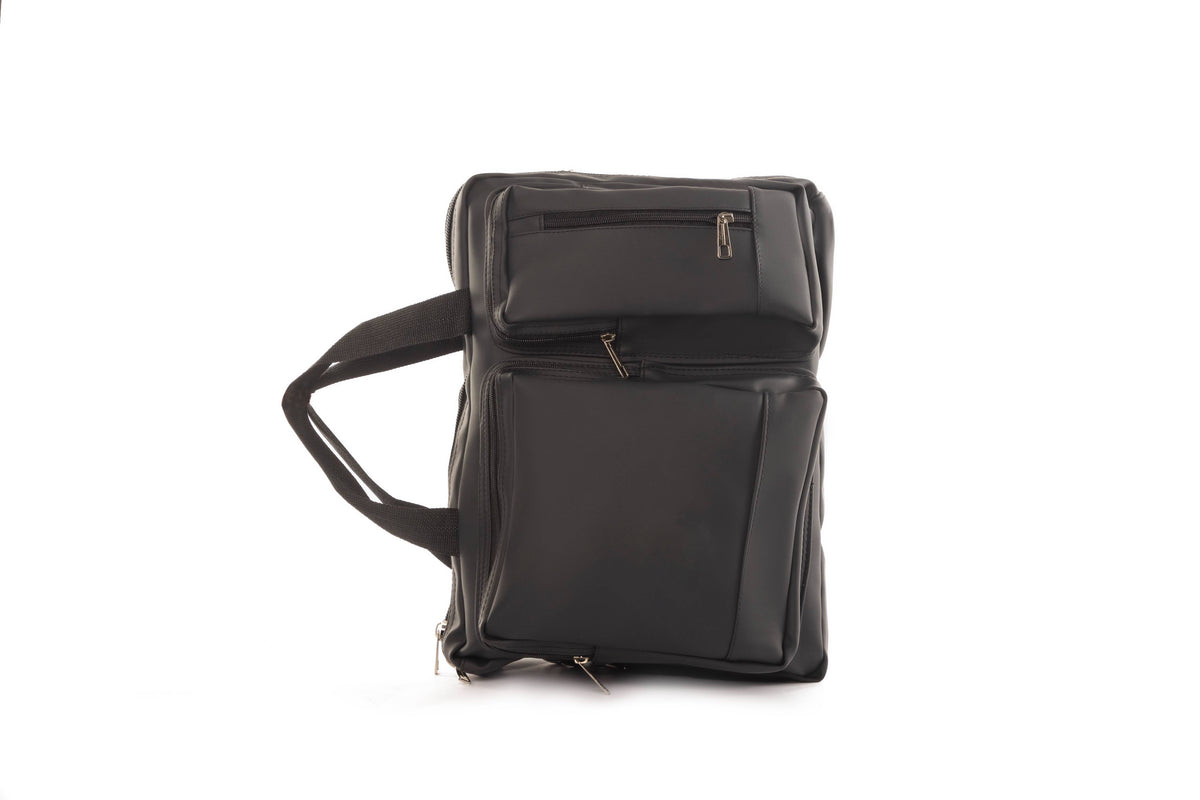
« Antivol » n'est pas un terme réglementé. N'importe quel sac peut être vendu sous ce nom, et la plupart des fonctions qu'il sous-entend vont du réellement utile au purement décoratif. Voici ce que fait vraiment chacune d'elles, classée selon la différence qu'elle apporte dans les situations réelles où les sacs se font vider — un bus bondé, un marché animé, un sac accroché au dossier d'une chaise.
Ce qui fonctionne vraiment
Fermetures éclair cachées ou inversées
La fermeture du compartiment principal se trouve contre votre dos, ou sous un rabat, là où personne ne peut l'atteindre pendant que vous portez le sac. C'est la fonction la plus efficace de la liste, car l'immense majorité des vols de sacs sont opportunistes — une main glissée dans un compartiment ouvert au milieu de la foule, en quelques secondes. Une fermeture que la main ne trouve pas, c'est un vol qui n'a pas lieu.
C'est aussi la fonction qui a un vrai coût pour vous : pour accéder à votre propre sac, il faut l'enlever. C'est le compromis, et il en vaut la peine pour un trajet quotidien sur une ligne bondée.
Tirettes verrouillables
Deux tirettes qui s'attachent l'une à l'autre ou acceptent un petit cadenas. Face à un voleur déterminé armé d'un couteau, cela ne sert à rien. Face à la menace réelle — un sac sans surveillance sur un lit d'auberge, dans la soute d'un bus ou accroché à une chaise derrière vous — c'est vraiment efficace, car cela transforme une occasion de deux secondes en un geste visible et long.
Une poche cachée contre le dos
Une poche plate sur le panneau qui repose contre votre colonne vertébrale. Passeport, cartes, espèces. Personne ne peut l'atteindre sans retirer le sac de votre corps. Simple, peu coûteuse à fabriquer, et plus utile que la plupart des gadgets électroniques.
Des bretelles larges et bien ancrées
Ce n'est pas vendu comme une fonction antivol, mais c'est pertinent : le vol à l'arraché fonctionne en tirant. Une bretelle correctement ancrée avec un renfort résiste à une secousse ; une bretelle fine sur une seule ligne de couture livre le sac. À vérifier, quel que soit le nom donné au sac dans l'annonce.
Ce qui est survendu
Le tissu « anti-lacération »
Certains sacs intègrent une couche de maille en acier ou en aramide dans les panneaux. Ça fonctionne — on ne peut pas facilement la couper — mais lacérer un sac est une méthode rare comparée au simple fait de l'ouvrir, et la maille ajoute du poids et du coût. À moins de voyager dans un endroit où la lacération des sacs est un problème local connu, investissez plutôt dans la qualité de fabrication.
Les poches anti-RFID
Elles bloquent le signal radio des cartes sans contact. La technologie est réelle. La menace, elle, appartient largement au passé : les paiements sans contact sont plafonnés, exigent que la carte soit à quelques centimètres, et les cartes modernes utilisent un code à usage unique qu'un skimmer ne peut pas réutiliser. C'est un plus agréable. Ce n'est pas une raison de choisir un sac.
Le port de charge USB
Ce n'est pas du tout une fonction antivol, même s'il figure sur presque tous les sacs vendus comme tels. C'est un câble court reliant une prise extérieure à une poche intérieure — il n'y a pas de batterie dans le sac. Vous fournissez toujours la batterie externe. C'est une vraie commodité, puisque vous rechargez sans ouvrir le sac, mais sachez ce que vous achetez : un câble, bien acheminé.
Une vraie mise en garde : la prise extérieure est un trou dans un panneau imperméable. Sous une forte pluie, c'est par là que l'eau entre.
Ce qu'aucun sac ne peut faire
Aucun sac ne protège un téléphone que vous tenez en main, un ordinateur portable laissé sur une table ou un sac laissé hors de vue. Le meilleur sac à dos antivol du marché est mis en échec dès qu'on le pose et qu'on détourne le regard. Les fonctions ci-dessus vous font gagner des secondes et compliquent la tâche du voleur — c'est réellement précieux, et c'est tout ce qu'elles font.
Ce qu'il faut vérifier sur la fiche produit
- Où se trouve la fermeture principale quand le sac est porté ? Si les photos ne montrent jamais le panneau dorsal, cela en dit long.
- Les tirettes s'attachent-elles ou se verrouillent-elles ?
- Y a-t-il une poche dorsale, et est-elle assez grande pour un passeport ?
- Comment la bretelle est-elle ancrée ?
- S'il y a un port USB, la description indique-t-elle clairement qu'aucune batterie externe n'est incluse ? Une annonce floue sur ce point l'est volontairement.
La gamme UrbanGuard est conçue autour des deux fonctions qui comptent le plus — un compartiment pour ordinateur portable à fermeture cachée et une poche dorsale — avec le passage de câble USB inclus et décrit pour ce qu'il est. Toutes les dimensions et tous les détails figurent sur la fiche produit.